
‘Odyssea Americana’ art exhibit opens at The Soil Factory Sept. 4
Photography, drawing, maps, calligraphy, installations and audio recordings depict a trip by three scholar-artists in honor of Odysseus’ epic voyage, but in North America.
 Department Homepage
The College of Arts & Sciences
Department Homepage
The College of Arts & Sciences
The broad mission of the Department of Neurobiology and Behavior (NBB) is to conduct teaching and research that promotes a better understanding of how the brain gives rise to behavior and why behavior evolves across species. The broad range of research areas represented in NBB provides internationally recognized expertise across all major fields of neuroscience and modern organismal & behavioral biology. Established in 1964, we are one of the first programs in the United States to bring together neuroscientists and evolutionary biologists within a single academic unit. This pioneering initiative played a foundational role in establishing the emerging fields of neuroethology, which integrates neurobiology with the study of animal behavior in natural settings, and chemical ecology, which explores chemically mediated interactions between organisms.
The research areas at NBB range from the molecular mechanisms that regulate neuronal excitability to neural circuits underlying perception, learning, memory, decision-making, cognition, and motor control, and extend to studies of the behavioral ecology and evolution of whole organisms in their natural environments. Through our research and teaching, we seek to integrate mechanistic and evolutionary perspectives, combining molecular, cellular, systems, and computational approaches with laboratory and field studies to foster connections between the historically separate disciplines of neurobiology and behavior.
Our program is internationally recognized for pioneering research on the evolution of animal social behavior, chemical ecology, sensory detection, and the neural coding of communication signals. Building on these strengths, NBB is expanding its interdisciplinary focus to include behavioral genetics and functional genomics, the evolution of behavioral modularity, sensory ecology, collective behavior, quantitative studies of behavioral adaptation in natural environments, the neural mechanisms of learning, memory, navigation, and motor control, as well as brain–body communication, computational neuroscience, and artificial intelligence (AI).
Through these efforts, we aim to sustain and strengthen NBB’s tradition of innovation, ensuring continued growth and leadership in the field of neurobiology and behavior. By fostering interdisciplinary collaborations, advancing cutting-edge research, and training the next generation of scientists, we are committed to shaping the future of these fields for decades to come.
Alumni and Faculty have teamed up to establish an endowment that will have a lasting impact on graduate student research in Neurobiology and Behavior. This endowment generates funds devoted exclusively to supporting our in-house program of Research Grants for graduate students, and we need your help to grow it.
Photography, drawing, maps, calligraphy, installations and audio recordings depict a trip by three scholar-artists in honor of Odysseus’ epic voyage, but in North America.

Projects spanned topics from Confederate cemeteries to Korean textiles.
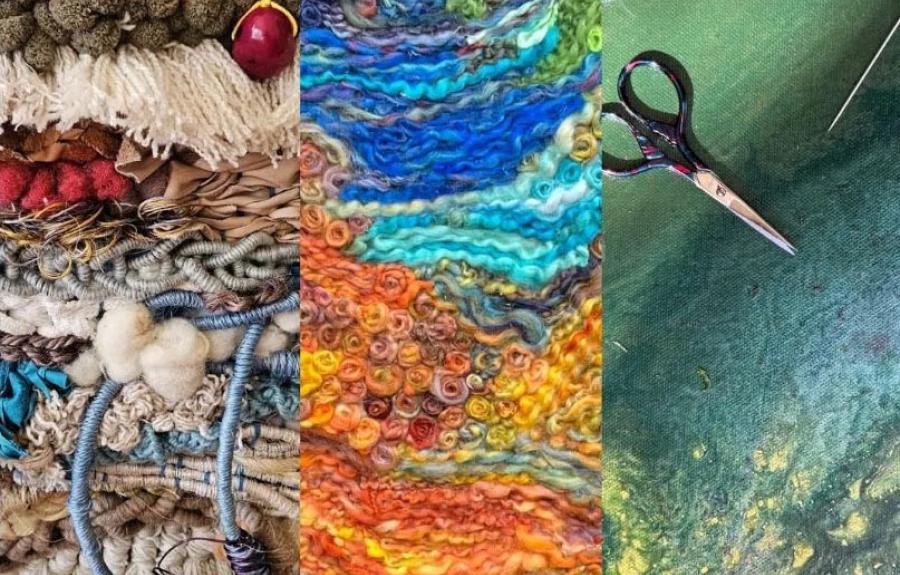
In times of uncertainty, art remains a powerful act of resilience. This May, Orozco Gallery will open its doors as a pop-up space for creativity, connection, and cultural celebration at 115 S Cayuga St, Downtown Ithaca. Featuring artist talks, live music, dance, and family-friendly events, the gallery invites people of all ages to come together…

Three short documentaries produced in a Rural Humanities Seminar, taught by PMA Associate Professor Austin Bunn, are headed to film festivals this fall.

Bitcoin mining consumes 2.3% of all U.S. electrical demand.

Coming from the University of Toronto, where he was the director of the Munk School of Global Affairs and Public Policy, Loewen began his five-year appointment as the Harold Tanner Dean of the College of Arts and Sciences Aug. 1.